tarsal tunnel exercises pdf
Summary
Suffering from tarsal tunnel syndrome? Download our FREE PDF guide with effective exercises to ease pain, improve mobility & get back to doing what you love! ✨
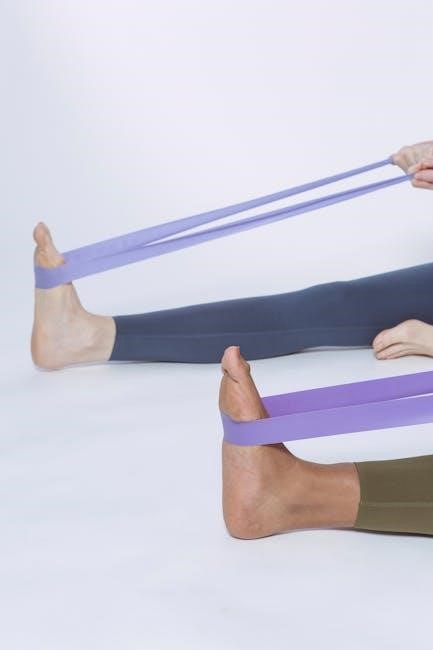
Tarsal Tunnel Syndrome: A Comprehensive Exercise Guide
Navigating tarsal tunnel syndrome requires a focused exercise plan, aiming to alleviate nerve compression and restore foot function; this guide provides a structured approach.
Understanding the exercises and their progression is crucial for effective management, potentially reducing pain and improving mobility over time, as recommended by specialists.
Understanding Tarsal Tunnel Syndrome
Tarsal tunnel syndrome arises from consistent pressure impacting the posterior tibial nerve, a branch of the sciatic nerve, located near the ankle joint. This compression mirrors carpal tunnel syndrome in the wrist, but affects the lower leg and foot.
Symptoms often include burning, numbness, and tingling sensations along the sole of the foot, radiating into the toes. Pain can intensify with activity and may be accompanied by weakness in the foot and ankle.
The condition frequently develops after ankle sprains, overuse, or repetitive strain, but anatomical abnormalities can also contribute. Early diagnosis and intervention, including targeted exercises, are vital to prevent chronic pain and functional limitations.
A comprehensive approach, detailed in exercise guides, focuses on reducing inflammation, improving nerve gliding, and strengthening supporting muscles.
What is the Tarsal Tunnel?
The tarsal tunnel is a narrow passageway located on the inner side of your ankle, protected by the flexor retinaculum. This tunnel houses the posterior tibial nerve, several tendons, and blood vessels, all crucial for foot and ankle function.
Essentially, it’s a structural space that allows these vital components to travel from the lower leg into the foot. Its integrity is paramount; any narrowing or compression within this tunnel can lead to significant discomfort and impaired mobility.
The posterior tibial nerve within the tarsal tunnel controls sensation in the sole of the foot and facilitates movement of several foot muscles. Understanding its anatomy is key to comprehending how tarsal tunnel syndrome develops and how exercises can provide relief.
Maintaining a healthy tarsal tunnel is essential for pain-free movement and overall foot health.
Causes and Risk Factors
Tarsal tunnel syndrome arises from compression of the posterior tibial nerve within the tarsal tunnel. Several factors can contribute to this compression, increasing the risk of developing the condition.
Ankle injuries, such as sprains, can cause swelling and inflammation, narrowing the tunnel space. Overuse and repetitive strain, particularly from high-impact activities, also play a significant role in nerve compression.
Certain anatomical abnormalities, like flat feet or bone spurs, can predispose individuals to tarsal tunnel syndrome. These structural issues reduce space within the tunnel, increasing pressure on the nerve.
Other risk factors include obesity, arthritis, and systemic conditions like diabetes. Recognizing these contributing factors is crucial for prevention and effective management of the syndrome.
Ankle Injuries & Trauma
Ankle sprains and fractures represent significant contributors to tarsal tunnel syndrome development. Trauma often leads to swelling within the confined space of the tarsal tunnel, directly compressing the posterior tibial nerve.
Even seemingly minor injuries can initiate a cascade of inflammation, reducing the tunnel’s dimensions and irritating the nerve. Repeated ankle trauma, even without complete fractures, can create chronic inflammation.
Post-traumatic scarring can also narrow the tunnel over time, exacerbating nerve compression. The resulting swelling and scar tissue formation contribute to ongoing symptoms.
Prompt and appropriate management of ankle injuries is vital to minimize the risk of long-term nerve involvement and the subsequent development of tarsal tunnel syndrome.
Overuse & Repetitive Strain
Activities involving repetitive foot motions can significantly contribute to tarsal tunnel syndrome. Prolonged standing, running, and walking, particularly on hard surfaces, place consistent pressure on the posterior tibial nerve.
Occupations demanding extended periods of weight-bearing, or those involving repetitive ankle movements, increase the risk of developing this condition. This sustained strain can lead to inflammation within the tarsal tunnel.
Improper footwear lacking adequate support can exacerbate the problem, failing to adequately cushion the impact and distribute pressure evenly. This lack of support intensifies the repetitive stress.
Gradual increases in activity level are crucial; sudden increases in training intensity or duration can overwhelm the tissues and trigger nerve compression. Listen to your body and adjust accordingly.
Anatomical Abnormalities
Certain pre-existing anatomical variations can predispose individuals to tarsal tunnel syndrome. These structural differences can narrow the tarsal tunnel, increasing susceptibility to nerve compression.
Flat feet (pes planus) are a common contributing factor, altering biomechanics and placing increased stress on the posterior tibial nerve. The altered foot structure impacts the tunnel’s space.
Coalition of the talus and navicular bones – an abnormal fusion – can also constrict the tarsal tunnel, directly compressing the nerve. This fusion limits space within the tunnel.
Bone spurs or growths within the tarsal tunnel can physically impinge upon the nerve, causing irritation and inflammation. These growths reduce available space for the nerve.
Variations in the shape or size of the tarsal bones can contribute to a smaller tarsal tunnel, increasing the risk of nerve entrapment. Individual anatomy plays a key role.
Diagnosing Tarsal Tunnel Syndrome

Accurate diagnosis of tarsal tunnel syndrome is crucial before initiating any exercise program. A comprehensive evaluation by a healthcare professional is essential to rule out other conditions.
Initial assessment typically begins with a detailed medical history and a thorough physical examination focusing on the foot and ankle. Symptoms like pain, tingling, and numbness are carefully assessed.
Specific tests during the physical exam may include Tinel’s sign (tapping over the nerve) and Paley’s test (passive dorsiflexion and eversion of the foot) to provoke symptoms. These tests help identify nerve involvement.
Nerve conduction studies (NCS) are often employed to measure the speed of electrical signals traveling along the posterior tibial nerve, identifying areas of compression. NCS provide objective data.
Imaging techniques like MRI or ultrasound can visualize the tarsal tunnel, revealing structural abnormalities or space-occupying lesions contributing to nerve compression. Imaging aids in confirming the diagnosis.
Physical Examination
The physical examination is the cornerstone of diagnosing tarsal tunnel syndrome, providing initial clues about nerve compression. A healthcare professional will begin by carefully observing your gait and assessing the overall alignment of your foot and ankle.
Palpation, or gentle feeling, of the tarsal tunnel is performed to identify tenderness or swelling. The examiner will specifically assess the posterior tibial nerve’s path.
Tinel’s sign is a key component, involving tapping lightly over the tarsal tunnel to see if it reproduces tingling or electric shock sensations in the foot.
Paley’s test assesses the nerve’s sensitivity to stretching; passive dorsiflexion and eversion of the foot can exacerbate symptoms if the nerve is compressed.
Muscle strength and reflexes are also evaluated to determine the extent of nerve dysfunction; A comprehensive physical exam guides further diagnostic testing.
Nerve Conduction Studies
Nerve conduction studies (NCS) are essential for confirming a diagnosis of tarsal tunnel syndrome, providing objective evidence of nerve compression. This test measures the speed at which electrical signals travel along the posterior tibial nerve.
Electrodes are placed on the skin along the nerve’s pathway, and small electrical impulses are delivered. The time it takes for the signal to reach different points is recorded.
A slowed conduction velocity indicates nerve damage or compression within the tarsal tunnel. NCS can pinpoint the location and severity of the compression.

Sensory nerve conduction studies assess the function of the nerves responsible for sensation in the foot.
These studies help differentiate tarsal tunnel syndrome from other conditions with similar symptoms, like sciatica or peripheral neuropathy, guiding appropriate treatment strategies.

Imaging Techniques (MRI, Ultrasound)
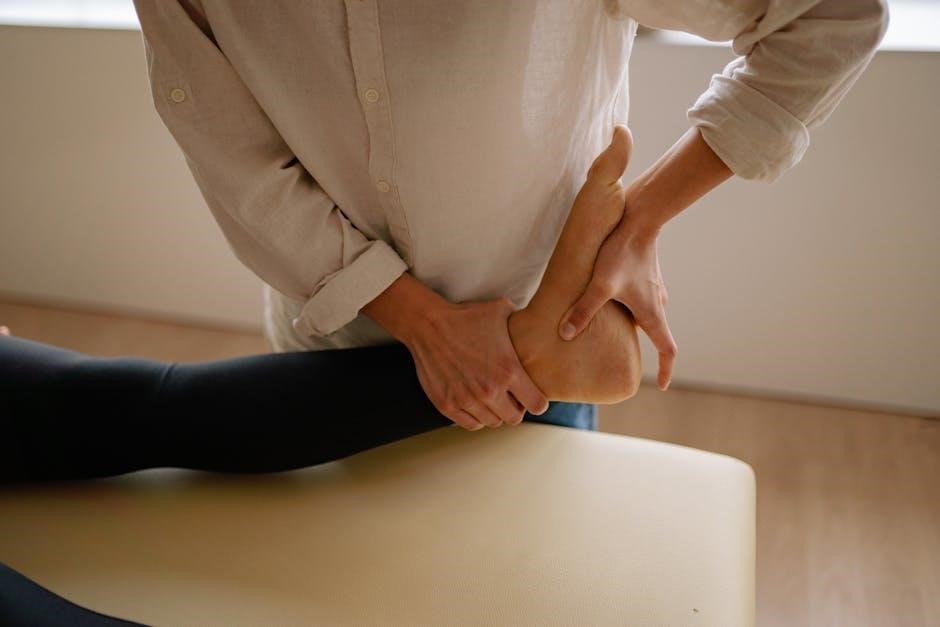
While nerve conduction studies are primary, imaging techniques like MRI and ultrasound can provide valuable supplementary information in diagnosing tarsal tunnel syndrome. These tools help visualize the structures within and around the tarsal tunnel.
Magnetic Resonance Imaging (MRI) offers detailed images of soft tissues, revealing nerve compression caused by space-occupying lesions like cysts, tumors, or inflammation. It can also show nerve swelling.
Ultrasound is a more affordable and readily available option, allowing real-time visualization of the tarsal tunnel. It can identify nerve thickening, inflammation, and potential causes of compression.
Both MRI and ultrasound can rule out other conditions mimicking tarsal tunnel syndrome, such as tendon abnormalities or fractures.
Imaging isn’t always necessary, but it’s beneficial when the diagnosis is unclear or surgery is being considered.
Tarsal Tunnel Exercises: A Targeted Approach
A carefully structured exercise program is central to managing tarsal tunnel syndrome, aiming to reduce nerve compression, improve flexibility, and strengthen supporting muscles. This approach is typically divided into phases, progressing from gentle movements to more challenging strengthening and nerve gliding exercises.
Phase 1 focuses on restoring range of motion with exercises like ankle pumps and alphabet tracing, minimizing irritation. Phase 2 builds strength in calf muscles and intrinsic foot muscles through calf raises, toe curls, and towel scrunches.
Phase 3 introduces nerve gliding exercises, such as medial and posterior tibial nerve glides, to improve nerve mobility and reduce entrapment.
Consistency is key, but exercises should be performed within a pain-free range, and modifications made as needed.
Phase 1: Gentle Range of Motion Exercises
The initial phase prioritizes restoring pain-free movement and reducing inflammation within the tarsal tunnel. These exercises are low-impact and focus on gently mobilizing the ankle and foot, preparing the tissues for more strenuous activity. Avoid pushing through pain; discomfort should be minimal.
Ankle pumps involve repeatedly pointing your toes up and down, enhancing circulation and reducing swelling. Alphabet tracing uses your foot to “write” the alphabet in the air, promoting flexibility in all directions;
Perform each exercise slowly and deliberately, focusing on controlled movements. Begin with 10-15 repetitions, several times a day, gradually increasing as tolerated.
These exercises establish a foundation for subsequent strengthening and nerve gliding phases.
Ankle Pumps
Ankle pumps are a foundational exercise in tarsal tunnel syndrome rehabilitation, focusing on improving circulation and reducing swelling within the foot and ankle. This simple movement involves gently flexing and extending the ankle joint, mimicking a pumping action.
To perform ankle pumps, sit or lie down with your leg extended. Slowly point your toes upwards towards your shin, then downwards away from your shin. Focus on a controlled motion, avoiding any jerky movements.
Aim for 10-15 repetitions, performing the exercise several times throughout the day. This exercise is particularly beneficial in the early stages of recovery, promoting fluid drainage and reducing discomfort.
Consistent performance of ankle pumps can significantly contribute to alleviating symptoms and preparing the ankle for more advanced exercises.
Alphabet Tracing
Alphabet tracing is a gentle yet effective exercise designed to improve range of motion and flexibility in the ankle and foot, crucial for managing tarsal tunnel syndrome. This exercise involves using your big toe to “write” the letters of the alphabet in the air.
To perform alphabet tracing, sit comfortably with your leg extended. Slowly and deliberately trace each letter of the alphabet with your big toe, focusing on a full range of motion. Maintain a controlled pace and avoid straining your ankle.
Repeat the alphabet one to two times, and gradually increase repetitions as your flexibility improves. This exercise helps mobilize the nerves and tissues around the tarsal tunnel, reducing stiffness and promoting healing.
Regular alphabet tracing can enhance ankle dexterity and prepare the foot for more demanding exercises.
Phase 2: Strengthening Exercises
Transitioning to strengthening exercises is vital after establishing a foundation of gentle range of motion. This phase focuses on rebuilding the muscles supporting the ankle and foot, improving stability and reducing pressure on the tibial nerve.
Strengthening exercises should be performed gradually, starting with a low number of repetitions and increasing as strength improves. Focus on proper form to avoid injury and maximize effectiveness. These exercises aim to enhance muscle endurance and power.
Key exercises in this phase include calf raises, toe curls, and towel scrunches, each targeting specific muscle groups. Consistency is key; aim to perform these exercises several times a week for optimal results.
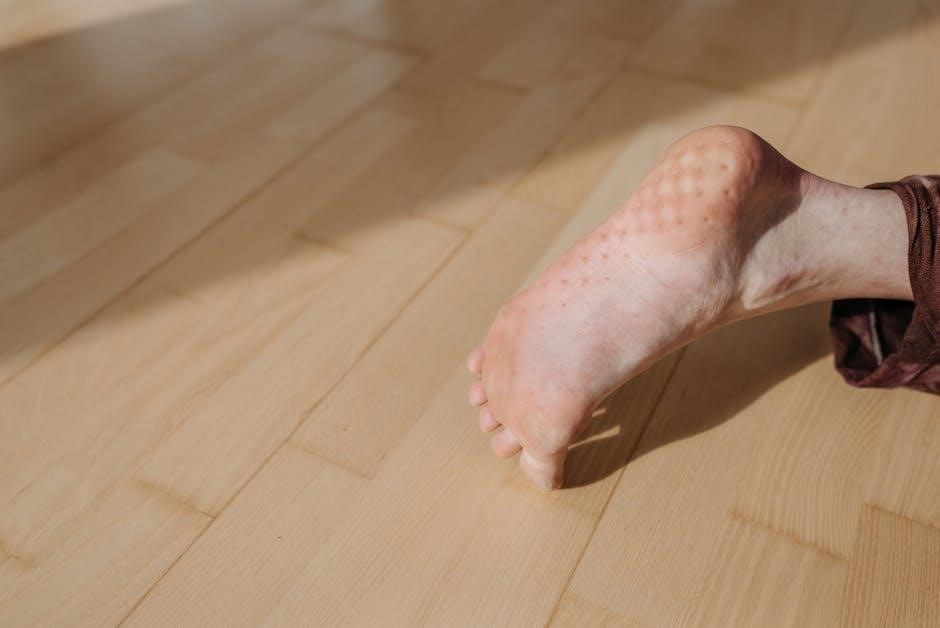
Strengthening the surrounding muscles helps to support the tarsal tunnel and alleviate symptoms of tarsal tunnel syndrome.
Calf Raises
Calf raises are a fundamental strengthening exercise for individuals with tarsal tunnel syndrome, targeting the gastrocnemius and soleus muscles in the lower leg. These muscles play a crucial role in ankle stability and foot support, indirectly reducing pressure on the tibial nerve.
To perform calf raises, stand with feet flat on the floor, shoulder-width apart. Slowly rise up onto your toes, lifting your heels as high as comfortably possible. Hold this position for a second, then slowly lower your heels back to the ground.
Begin with three sets of ten to fifteen repetitions, gradually increasing the number of sets and repetitions as your strength improves. Variations include performing calf raises with bent knees (soleus focus) or on an elevated surface for a greater range of motion.
Proper form is essential to avoid strain and maximize effectiveness.

Toe Curls
Toe curls are a gentle yet effective exercise designed to strengthen the intrinsic muscles of the foot, which are often weakened in individuals experiencing tarsal tunnel syndrome. Strengthening these muscles can improve foot arch support and reduce strain on the posterior tibial nerve.
To perform toe curls, sit comfortably with your feet flat on the floor. Place a small towel or marbles in front of your feet. Using only your toes, attempt to curl the towel towards you or pick up the marbles one by one, placing them into a container.
Start with three sets of ten to fifteen repetitions, focusing on controlled movements. As your strength increases, you can add resistance by using a heavier towel or smaller marbles.
Ensure you maintain good posture and avoid gripping with your entire foot; the movement should originate solely from the toes.

Towel Scrunches
Towel scrunches are a beneficial exercise for enhancing foot muscle strength and improving flexibility, particularly helpful in managing tarsal tunnel syndrome symptoms. This exercise targets the small muscles within the foot, contributing to better nerve function and reduced discomfort.
To perform towel scrunches, sit comfortably in a chair with your feet flat on the floor. Place a towel flat in front of you. Using only your toes, scrunch the towel towards you, pulling it closer with each repetition.
Aim for three sets of ten to fifteen repetitions, concentrating on a slow, controlled motion. As you gain strength, you can increase the resistance by slightly dampening the towel.
Focus on isolating the movement to your toes, avoiding any assistance from your ankles or legs. This exercise promotes foot stability and can alleviate pressure on the tibial nerve.
Phase 3: Nerve Gliding Exercises
Nerve gliding exercises are a crucial component of tarsal tunnel syndrome rehabilitation, specifically designed to improve the mobility of the posterior tibial nerve. These movements gently encourage the nerve to slide within its surrounding tissues, reducing compression and alleviating associated pain and numbness.
This phase focuses on carefully orchestrated movements that lengthen and shorten the nerve, preventing adhesions and restoring optimal nerve function. It’s vital to perform these exercises slowly and deliberately, stopping immediately if any sharp pain arises.
Common nerve gliding techniques include specific ankle and toe movements, often involving a combination of dorsiflexion, plantarflexion, inversion, and eversion. Regular practice, as guided by a healthcare professional, can significantly improve nerve health and reduce symptoms.
Medial Nerve Glides
Medial nerve glides are a specialized set of exercises aimed at mobilizing the nerves that travel along the inner aspect of your leg and foot, potentially impacted by tarsal tunnel syndrome. These glides aren’t about stretching the nerve itself, but rather facilitating its movement through the surrounding tissues.
Typically, the exercise begins with straightening your leg and extending your toes upwards. Then, gently bend your knee while pointing your toes downwards. Repeat this sequence several times, focusing on smooth, controlled movements. Listen to your body and stop if you experience any sharp or increasing pain.
Consistent performance of these glides can help reduce nerve entrapment, improve nerve conduction, and alleviate symptoms like tingling, numbness, and pain associated with tarsal tunnel syndrome; Always consult with a physical therapist for personalized guidance.
Posterior Tibial Nerve Glides
Posterior tibial nerve glides are crucial exercises designed to improve the mobility of the nerve specifically affected in tarsal tunnel syndrome. These movements aim to reduce compression and enhance nerve function, potentially easing discomfort and restoring sensation.
A common technique involves sitting with your leg extended and foot relaxed. Gently point your toes downwards and inwards, then slowly pull them upwards and outwards. Repeat this motion rhythmically, focusing on a pain-free range of motion. Avoid forceful movements or any actions that exacerbate your symptoms.
Regularly performing these glides can help prevent the nerve from becoming adhered to surrounding tissues, promoting smoother nerve conduction. It’s essential to work with a healthcare professional to ensure proper form and progression.
Important Considerations & Precautions
Embarking on an exercise program for tarsal tunnel syndrome necessitates careful attention to several key considerations. Prioritize listening to your body; pain is a signal to stop or modify the exercise. Avoid pushing through significant discomfort, as this could worsen inflammation and nerve compression.
Gradual progression is paramount. Begin with gentle movements and slowly increase intensity and repetitions as tolerated. Consistent, moderate exercise is more beneficial than sporadic, strenuous activity. Proper form is crucial to prevent further injury; consider guidance from a physical therapist.
If symptoms worsen or do not improve after several weeks, consult a healthcare professional. Long-term management often involves a combination of exercises, supportive footwear, and lifestyle modifications.
Pain Management During Exercises
Experiencing some discomfort during tarsal tunnel exercises is common, but it’s vital to differentiate between acceptable sensations and warning signs. Mild stretching or aching is generally tolerable, indicating muscle engagement and nerve mobilization. However, sharp, shooting pain, numbness, or tingling necessitates immediate cessation of the exercise.
Employ the RICE protocol – Rest, Ice, Compression, and Elevation – if pain flares up. Applying ice for 15-20 minutes several times a day can reduce inflammation. Over-the-counter pain relievers, like ibuprofen or naproxen, may offer temporary relief, but consult your doctor before prolonged use.
Modify exercises to reduce intensity or range of motion. Focus on pain-free movements and gradually increase challenge as tolerated. Consistent communication with a healthcare professional is key to managing pain effectively.

When to Consult a Healthcare Professional
Despite diligent exercise, certain situations warrant immediate medical attention. If your pain intensifies or doesn’t improve after several weeks of consistent exercise, seek professional guidance. New or worsening numbness, tingling, or weakness in your foot or toes are also red flags.
Sudden, severe pain following an injury, or if you suspect a re-injury, requires prompt evaluation. Difficulty walking or maintaining balance should not be ignored. Underlying medical conditions, such as diabetes, may necessitate more frequent monitoring.
A healthcare professional can accurately diagnose your condition, rule out other potential causes, and adjust your exercise plan accordingly. They may recommend additional treatments, like orthotics or injections, to support your recovery.
Long-Term Management & Prevention
Sustained relief from tarsal tunnel syndrome necessitates ongoing commitment to foot health. Continue performing the recommended exercises regularly, even after symptoms subside, to maintain strength and flexibility. Proper footwear with good arch support is crucial, avoiding high heels or overly tight shoes.
Weight management can reduce stress on the ankle and foot. Avoid activities that aggravate your symptoms, modifying them or taking frequent breaks. Listen to your body and don’t push through pain. Regular stretching of the calf muscles is beneficial.
Early intervention for ankle sprains and injuries is vital to prevent chronic issues. Consider using orthotics for added support and shock absorption. Proactive care will minimize the risk of recurrence and promote long-term well-being.