tenuta san guido sassicaia
Summary
Discover the legendary Tenuta San Guido Sassicaia! Explore the story behind this iconic Super Tuscan, its bold flavors, and why it’s a collector’s dream. Learn more!
Tenuta San Guido Sassicaia: A Comprehensive Overview
Tenuta San Guido’s Sassicaia, an iconic Italian wine, began in the 1940s with a vision to emulate esteemed Bordeaux styles, revolutionizing winemaking․

Historical Origins and the Vision of Marchese Mario Incisa della Rocchetta
Marchese Mario Incisa della Rocchetta, the driving force behind Sassicaia, harbored a profound admiration for the great Bordeaux wines of France․ During the 1940s, he embarked on an ambitious project at his Tenuta San Guido estate in Bolgheri, Tuscany, aiming to replicate their style and quality on Italian soil․ Dissatisfied with the prevailing Sangiovese-based wines of the region, he believed the unique terroir of Bolgheri could support Cabernet Sauvignon and Cabernet Franc․
Initially, Sassicaia was conceived as a private reserve wine, intended for the family and close friends․ This wasn’t a commercial venture at its inception, but rather a personal pursuit of winemaking excellence․ The Marchese meticulously experimented with the Bordeaux varietals, carefully selecting the best clones and vineyard locations․ His vision was to create a wine that possessed the elegance, structure, and aging potential of the wines he so admired from the Left Bank of Bordeaux, establishing a new paradigm for Italian winemaking․
The Birth of Sassicaia: From Private Reserve to Market Release (1968-1971)
For decades, Sassicaia remained a cherished secret, exclusively enjoyed by the Incisa della Rocchetta family and their inner circle․ However, growing recognition and acclaim from those fortunate enough to taste it prompted a pivotal shift․ The 1968 vintage marked a turning point, as the decision was made to cautiously introduce Sassicaia to a wider audience․
Though the groundwork was laid in 1968, it wasn’t until 1971 that Sassicaia officially debuted on the market․ This initial release, the 1968 vintage, signaled a bold departure from traditional Italian winemaking norms․ The wine quickly garnered attention, challenging established perceptions and paving the way for the “Super Tuscan” movement․ Despite its limited production and initial unfamiliarity, Sassicaia’s quality and unique character resonated with wine enthusiasts, setting the stage for its future global success and iconic status․
Bolgheri: The Terroir and its Influence on Sassicaia
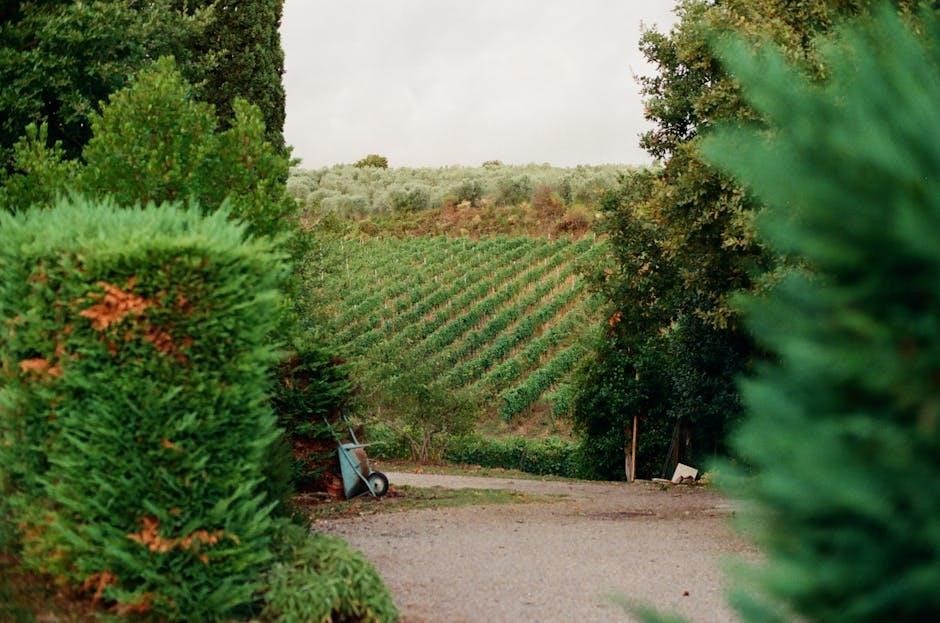
Bolgheri, a coastal region in Tuscany, Italy, provides the unique terroir essential to Sassicaia’s character․ Unlike the traditional, hilly landscapes of Chianti, Bolgheri boasts a relatively flat topography with well-drained soils – a blend of clay, sand, and gravel – influenced by proximity to the Tyrrhenian Sea․ This maritime climate offers moderate temperatures and beneficial breezes, promoting optimal grape ripening․
The specific location of Tenuta San Guido within Bolgheri is crucial․ The estate’s vineyards benefit from a south-southwest exposure, maximizing sunlight․ This combination of soil composition, climate, and sun exposure contributes to Sassicaia’s distinctive profile: concentrated flavors, firm tannins, and a remarkable aging potential․ The terroir imparts an “international flair” to the wine, differentiating it from more classically Italian styles and enabling it to compete with the world’s best․
Grape Varieties: Cabernet Sauvignon and Cabernet Franc Composition
Sassicaia distinguishes itself from many Italian wines through its Bordeaux varietal blend, primarily Cabernet Sauvignon and Cabernet Franc․ This deliberate choice, initiated by Marchese Mario Incisa della Rocchetta, aimed to replicate the structure and elegance of his favored Bordeaux wines․ While the exact proportions vary slightly with each vintage, Cabernet Sauvignon consistently forms the dominant component, providing the wine’s backbone and concentrated fruit flavors․
Cabernet Franc plays a vital supporting role, contributing aromatic complexity, finesse, and a touch of herbaceousness․ This blend isn’t merely a stylistic imitation; it’s uniquely adapted to the Bolgheri terroir․ The combination yields a wine with polished tannins, a refined palate, and exceptional aging capabilities․ The careful balance between these two grape varieties is fundamental to Sassicaia’s consistent quality and distinctive character․
Winemaking Process & Techniques
Sassicaia’s winemaking prioritizes fruit purity through stainless steel fermentation, followed by 20-24 months of maturation in French oak barrels, enhancing structure and depth․
Fermentation in Stainless Steel: Preserving Fruit Purity
Tenuta San Guido employs stainless steel fermentation tanks for Sassicaia, a deliberate choice rooted in the desire to maintain and showcase the wine’s inherent fruit characteristics․ Unlike traditional methods utilizing concrete or oak during fermentation, stainless steel offers a neutral environment․ This neutrality is crucial as it prevents the imposition of external flavors or aromas onto the developing wine․
The primary goal is to allow the natural qualities of the Cabernet Sauvignon and Cabernet Franc grapes – their vibrant aromas, delicate flavors, and essential acidity – to shine through unadulterated․ Stainless steel’s temperature control capabilities are also vital, enabling precise management during fermentation, which further contributes to preserving the wine’s freshness and complexity․ This technique ensures that the resulting wine expresses the true terroir of Bolgheri and the meticulous viticultural practices employed at the estate, setting the stage for the subsequent oak aging process․
Oak Aging: The Role of French Oak in Structure and Complexity (20-24 months)
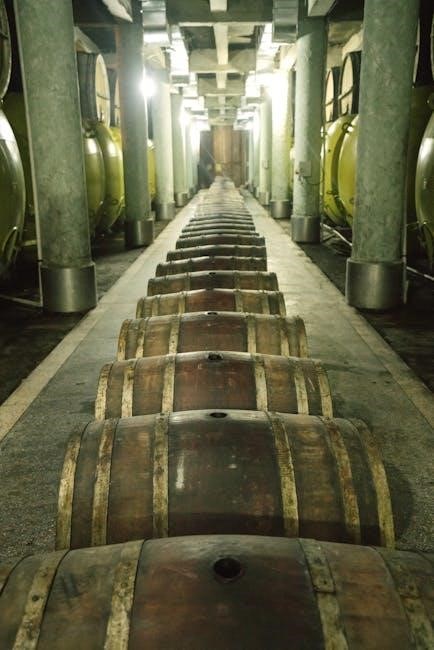
Following stainless steel fermentation, Tenuta San Guido’s Sassicaia undergoes an extended maturation period, typically ranging from 20 to 24 months, within French oak barriques․ This crucial stage isn’t about imparting overt oak flavors, but rather about refining the wine’s structure, enhancing its complexity, and integrating its components harmoniously․ The use of French oak, specifically, is favored for its subtle influence, contributing delicate notes of spice and vanilla without overpowering the fruit-forward character established during fermentation․
The oak barrels allow for a controlled exchange of oxygen, promoting the polymerization of tannins and softening the wine’s texture․ This process builds a framework for long-term aging potential․ Vintage variation dictates the precise duration and the selection of oak, ensuring each Sassicaia achieves optimal balance and expression․ The winemaking team carefully monitors the wine’s evolution, aiming to preserve the stylistic imprint that defines this iconic Super Tuscan․
Vintage Variation: How Annual Weather Impacts Sassicaia Characteristics
Tenuta San Guido’s Sassicaia, deeply rooted in the Bolgheri terroir, exhibits notable vintage variation, reflecting the nuances of each growing season․ Annual weather patterns significantly influence the wine’s characteristics, impacting everything from grape maturity to tannin structure and aromatic complexity․ Warmer, drier years often yield more concentrated wines with riper tannins, while cooler, wetter seasons can result in wines with greater acidity and a more restrained profile․
The winemaking team meticulously adapts their techniques to accommodate these variations, adjusting oak aging duration and other parameters to ensure stylistic consistency․ Despite these adjustments, each vintage retains a unique fingerprint, showcasing the interplay between terroir and climate․ Understanding these subtle differences is key to appreciating the depth and evolution of Sassicaia over time, making each release a distinct expression of its year․
Sassicaia as a “Super Tuscan”
Sassicaia pioneered the “Super Tuscan” category, defying traditional Italian winemaking norms by embracing Bordeaux varietals and innovative techniques, sparking a revolution․
Defining the Super Tuscan Category: A Revolution in Italian Winemaking
The emergence of Sassicaia in the mid-20th century fundamentally challenged the established conventions of Italian winemaking, ultimately giving birth to the “Super Tuscan” category․ Traditionally, Italian wine production adhered to strict DOC (Denominazione di Origine Controllata) regulations, often prioritizing indigenous grape varieties like Sangiovese․ However, Marchese Mario Incisa della Rocchetta, the visionary behind Sassicaia, sought to create a wine mirroring the elegance and structure of Bordeaux’s best․
This ambition led to the unconventional use of Cabernet Sauvignon and Cabernet Franc, grapes not traditionally associated with Italian terroir․ Sassicaia’s success demonstrated that exceptional wines could be crafted outside the confines of existing DOC rules, inspiring other Tuscan producers to experiment with similar approaches․ These wines, often blending international varieties with local ones, or eschewing DOC regulations altogether, became known as “Super Tuscans․”
The Super Tuscan movement represented a shift towards prioritizing quality and stylistic innovation over adherence to tradition, forever altering the landscape of Italian wine and establishing a new benchmark for excellence․ It was a bold statement, and Sassicaia stood at its forefront․
Sassicaia vs․ Barolo: A Comparison of Styles and Regions
Sassicaia and Barolo, while both representing the pinnacle of Italian winemaking, offer distinctly different experiences rooted in their respective terroirs and traditions․ Sassicaia hails from the coastal region of Bolgheri in Tuscany, benefiting from a Mediterranean climate and gravelly soils, resulting in a Bordeaux-style blend primarily of Cabernet Sauvignon and Cabernet Franc․
In contrast, Barolo originates from Piedmont, a northern Italian region characterized by cooler temperatures and Nebbiolo grapes․ This leads to wines known for their powerful tannins, high acidity, and complex aromas of rose, tar, and cherry․ Sassicaia typically exhibits polished tannins and an “international flair,” making it approachable in its youth, while Barolo often requires significant aging to soften its structure․
Essentially, Sassicaia represents a modern, innovative approach, while Barolo embodies centuries of tradition․ Both are exceptional, but cater to different palates and occasions, showcasing the incredible diversity of Italian wine․
Market and Recognition
Sassicaia enjoys immense global demand, particularly in Great Britain, with an average price of approximately $393 per 750ml bottle, lauded by critics and scoring highly․
Global Demand and the Importance of the British Market
Sassicaia’s international appeal is undeniable, with a consistently high demand from wine enthusiasts and collectors worldwide․ However, the British market holds a particularly significant position for Tenuta San Guido․ Recent events underscore this importance; the worldwide launch of Sassicaia 2023 followed closely on the heels of the Domaine de la Romanée Conti 2023 launch, both prioritizing the United Kingdom for initial release․

This demonstrates an unprecedented level of access to fine wine within Great Britain and highlights the market’s crucial role in establishing and maintaining a wine’s prestige․ The British palate has long appreciated the nuanced characteristics of Sassicaia, contributing significantly to its global recognition․ Tenuta San Guido clearly recognizes and values this strong connection, making the UK a key focus for new vintage releases and promotional activities, solidifying its position as a cornerstone of their international strategy․
Average Price and Availability: Finding Sassicaia (Approx․ $393/750ml)
Sassicaia commands a premium price point, reflecting its esteemed reputation and limited production․ Currently, the average price for a 750ml bottle hovers around $393 (ex-tax), though this figure can fluctuate based on vintage, retailer, and market conditions․ Locating Sassicaia requires diligent searching, as availability is often restricted due to high demand and selective distribution․
Wine enthusiasts can explore options through specialized wine merchants, auction houses, and online platforms dedicated to fine wines․ Utilizing price comparison websites can aid in identifying the best local offers․ Prospective buyers should be prepared for potential scarcity and consider joining wine allocation lists to increase their chances of securing future releases․ Authenticity is paramount; purchasing from reputable sources is crucial to avoid counterfeit products and ensure a genuine Sassicaia experience․
Critical Acclaim and Wine Scores: Establishing Sassicaia’s Prestige
Sassicaia consistently garners exceptional reviews from leading wine critics and publications globally, solidifying its position as a world-class wine․ Its prestige is demonstrably built upon decades of high scores and accolades․ Tasting notes frequently highlight prominent characteristics, with over 4510 mentions of oaky nuances – including oak, tobacco, and cedar – contributing to its complex profile․
Renowned wine publications regularly award Sassicaia scores in the 95-100 point range, validating its quality and aging potential․ This consistent critical acclaim fuels demand and reinforces its status as a benchmark for Italian winemaking․ The wine’s ability to receive such high praise vintage after vintage underscores the dedication of Tenuta San Guido to maintaining stylistic consistency and producing wines of exceptional character and finesse, cementing its legacy․
Tenuta San Guido Estate
Tenuta San Guido remains dedicated to tradition and stylistic consistency, ensuring Sassicaia’s enduring quality․ The estate operates within the Bolgheri DOC regulations, guiding production rules․
The Estate’s Commitment to Tradition and Stylistic Consistency
Tenuta San Guido demonstrates an unwavering commitment to preserving the original stylistic imprint that inspired the creation of Sassicaia․ This dedication isn’t merely about replicating past successes; it’s a deeply ingrained philosophy woven into every aspect of the winemaking process․ From meticulous vineyard management to careful selection of clones and rootstocks, each decision is made with the long-term vision of maintaining the wine’s unique character․
This consistency isn’t accidental; It’s the result of generations of experience and a profound understanding of the Bolgheri terroir․ The estate prioritizes a hands-on approach, favoring quality over quantity, and resisting the temptation to chase fleeting trends․ This steadfast adherence to tradition, combined with a willingness to embrace subtle improvements in technique, has allowed Sassicaia to consistently deliver wines of exceptional quality and distinction, solidifying its place among the world’s finest․
Bolgheri DOC: Regulations and Production Rules
Bolgheri DOC, the designated region for Sassicaia, operates under specific regulations designed to ensure quality and typicity․ While the DOC allows for a range of permitted grape varieties, Sassicaia itself primarily utilizes Cabernet Sauvignon and Cabernet Franc, exceeding the minimum requirements for these varietals within the broader DOC guidelines․ Production rules dictate vineyard practices, including limitations on yields to concentrate flavors and maintain vine balance․
The DOC also governs winemaking techniques, influencing aging requirements and permissible oak usage․ Though Sassicaia often surpasses these minimums, opting for extended oak maturation (20-24 months) in French oak barrels, it remains compliant with the overarching Bolgheri DOC framework․ These regulations aim to protect the region’s reputation and guarantee a certain standard for wines bearing the Bolgheri designation, while allowing estates like Tenuta San Guido to showcase their unique terroir and expertise․
Tasting Notes: Common Descriptors (Oaky, Tobacco, Cedar)
Sassicaia consistently presents a complex aromatic profile, evolving with age․ Initial impressions often reveal prominent oak influences, stemming from its extended maturation in French oak barrels – descriptors like vanilla and spice are frequent․ As the wine breathes, secondary aromas emerge, notably tobacco and cedar, contributing to its sophisticated character․ These notes intertwine with core fruit flavors of blackcurrant and cherry, creating a layered experience․
On the palate, Sassicaia is known for its polished tannins and balanced acidity, providing structure and aging potential․ The oak integration lends a subtle toastiness, complementing the fruit and spice․ The prevalence of oaky, tobacco, and cedar notes—reported in over 4510 mentions—highlights their significance in defining the wine’s signature style․ Ultimately, Sassicaia delivers a long, elegant finish, showcasing its exceptional quality and terroir expression․