fieldpiece vacuum pump manual
Summary
Need a Fieldpiece vacuum pump manual? We’ve got you covered! Download PDFs for all models & get back to work fast. Easy access & free downloads here.
Fieldpiece Vacuum Pump Manual: A Comprehensive Guide (Updated 05/04/2026)
Fieldpiece introduces a new generation of vacuum pumps, designed for HVACR professionals, featuring the innovative RunQuick Oil Change system for efficient system evacuation.
Fieldpiece Instruments has established itself as a leading provider of high-quality tools and test instruments specifically tailored for the Heating, Ventilation, Air Conditioning, and Refrigeration (HVACR) industry. Central to effective HVACR service is the ability to properly evacuate systems – removing air and moisture to ensure optimal performance and longevity.
Fieldpiece vacuum pumps are engineered to deliver reliable and efficient evacuation, a critical step in installations, repairs, and maintenance. The latest generation, announced on 05/04/2026, focuses on compact designs without compromising power or functionality. These pumps, like the VP55, are designed with features like the RunQuick Oil Change System, simplifying maintenance and minimizing downtime for professionals.
This manual provides a comprehensive guide to understanding, operating, and maintaining Fieldpiece vacuum pumps, ensuring technicians can maximize their investment and achieve superior results in the field.
Understanding Vacuum Pump Importance in HVACR
Proper system evacuation is paramount in HVACR work, and a reliable vacuum pump is indispensable. The presence of air and moisture within a refrigeration or air conditioning system drastically reduces efficiency, leading to increased energy consumption and potential component failure. Moisture, in particular, can react with refrigerants and oils, forming acids that corrode vital parts.
Fieldpiece vacuum pumps address these concerns by creating a deep vacuum, effectively removing both non-condensables (air) and moisture. This process ensures optimal heat transfer, extends system lifespan, and guarantees manufacturer warranty compliance. A thorough evacuation, facilitated by a pump like the VP55 with its 5 CFM capacity, is a foundational step for any successful HVACR service.
Investing in a quality vacuum pump, and understanding its proper use, directly translates to improved service quality and customer satisfaction.

Fieldpiece VP55 Vacuum Pump: Key Features
The VP55 boasts a robust 5 CFM performance with an AC motor, alongside four conveniently placed in-line ports, and the innovative RunQuick Oil Change system.
VP55 Specifications: CFM, Voltage & Oil Capacity
The Fieldpiece VP55 vacuum pump is engineered for reliable performance in HVACR applications. Key specifications define its capabilities and ensure compatibility with various systems. This pump delivers a robust 5 CFM (cubic feet per minute) vacuum speed, enabling efficient evacuation of refrigeration systems. It operates on a standard AC power supply, providing consistent power for demanding jobs.
Regarding voltage requirements, the VP55 is designed to function optimally with commonly available power sources, minimizing the need for specialized electrical setups. The oil capacity of the VP55 is crucial for maintaining peak performance and extending the pump’s lifespan. Proper oil levels ensure adequate lubrication and heat dissipation during operation.
Specifically, the VP55 requires a certain volume of vacuum pump oil to function correctly; referencing the official Fieldpiece documentation is vital for precise capacity details. Maintaining the correct oil level, alongside regular oil changes using the RunQuick system, is paramount for maximizing the pump’s efficiency and longevity.
RunQuick Oil Change System: A Detailed Look
The Fieldpiece VP55 features the innovative RunQuick Oil Change System, designed to drastically simplify and expedite the oil changing process. Traditional vacuum pump oil changes can be messy and time-consuming; however, RunQuick streamlines this maintenance task. This system allows technicians to change the oil quickly and cleanly, minimizing downtime and maximizing productivity on the job site.
The RunQuick system typically involves a specialized port and a dedicated oil bottle, facilitating a closed-loop oil exchange. This minimizes spills and exposure to used oil, enhancing safety and environmental responsibility. The process generally requires only a few simple steps, making it accessible even for technicians with limited experience.
Regular oil changes, enabled by RunQuick, are crucial for maintaining optimal pump performance and preventing premature wear. Following the recommended oil change schedule, as outlined in the Fieldpiece manual, ensures the VP55 operates at peak efficiency for years to come.
In-Line Ports: Configuration and Usage
The Fieldpiece VP55 vacuum pump is equipped with four strategically positioned in-line ports, offering versatile connectivity for various HVACR applications. These ports facilitate the connection of multiple hoses and accessories, enabling technicians to perform complex evacuation procedures efficiently. Understanding the proper configuration and usage of these ports is essential for optimal pump performance.
Typically, these ports accommodate standard 1/4″ flare fittings, ensuring compatibility with a wide range of vacuum hoses, manifolds, and other tools. Technicians can connect hoses directly to the pump or utilize manifolds to evacuate multiple lines simultaneously. Proper hose routing and secure connections are crucial to prevent leaks and maintain a strong vacuum.
The manual details recommended port configurations for different scenarios, such as single-line evacuation, dual-line evacuation, and connection to recovery machines. Always refer to the Fieldpiece documentation for specific guidance on port usage to ensure safe and effective operation.
Operating the Fieldpiece Vacuum Pump
Fieldpiece pumps require initial setup, including proper oil filling, before commencing the evacuation process; monitoring vacuum levels via manifolds is also crucial for success.
Initial Setup and Oil Filling Procedures
Before operating your Fieldpiece vacuum pump, careful initial setup is paramount for optimal performance and longevity. Begin by securely positioning the pump on a stable, level surface, ensuring adequate ventilation. Next, inspect the oil level sight glass – if low, or during the first-time use – proceed with filling the reservoir.
Utilize the recommended Fieldpiece vacuum pump oil, specifically designed to maintain pump efficiency and prevent damage. Remove the oil fill plug and, using a funnel, slowly pour in the oil until it reaches the designated “full” mark on the sight glass. Avoid overfilling, as this can lead to operational issues.
Reinstall the oil fill plug, ensuring a tight seal. Connect the appropriate power source, verifying the voltage matches the pump’s specifications. Finally, attach the evacuation hoses to the pump’s in-line ports, confirming secure connections to prevent leaks during operation. A properly prepared pump is the foundation for successful HVACR system evacuation.
Evacuation Process: Step-by-Step Guide
Initiate the evacuation process by ensuring all system valves are open, allowing the Fieldpiece vacuum pump to access the entire refrigerant circuit. Connect the pump to the system’s evacuation port using appropriate hoses, verifying a tight seal to prevent air infiltration. Power on the pump and observe the vacuum gauge on your manifold.
The pump will begin removing non-condensables and moisture from the system. Monitor the vacuum level; initially, it will rise slowly as air is drawn out. As the system stabilizes, the vacuum level will increase more rapidly; Continue pumping until the desired vacuum level – typically 500 microns or lower – is achieved.
Once the target vacuum is reached, isolate the system by closing all valves. Turn off the pump and observe the vacuum gauge for a specified period (e.g., 15-30 minutes) to verify the system holds a stable vacuum, indicating a leak-free seal.
Monitoring Vacuum Levels with Manifolds
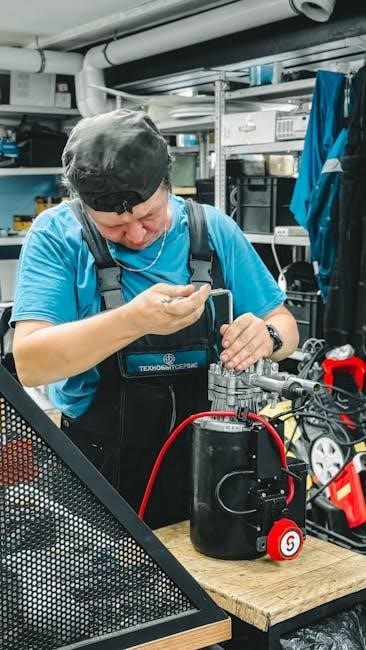
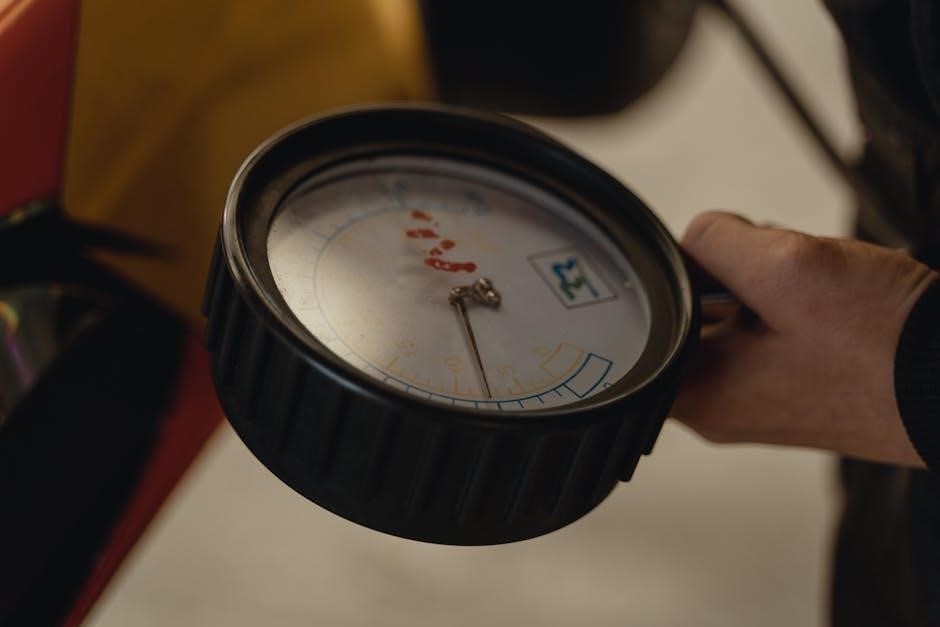
Utilizing a manifold gauge set is crucial when operating a Fieldpiece vacuum pump. The manifold allows precise monitoring of the vacuum level achieved during system evacuation, typically measured in microns. Connect the manifold’s high-side port to the pump and the low-side port to the system’s evacuation point.
Observe the micron gauge on the manifold; lower readings indicate a deeper vacuum. Aim for a vacuum level of 500 microns or less for optimal system performance. Pay attention to the rate of vacuum increase after pump shutdown – a rapid rise suggests a leak.
Digital manifolds often feature additional functions like superheat and subcooling calculations, aiding in system diagnosis; Regularly check the manifold’s calibration to ensure accurate readings, contributing to reliable evacuation and system charging procedures.
Maintenance and Troubleshooting
Fieldpiece vacuum pumps require routine oil changes and cleaning for peak performance. Addressing common issues promptly, like reduced suction, ensures reliable operation and longevity.
Oil Change Frequency and Procedure
Maintaining optimal oil levels is crucial for your Fieldpiece vacuum pump’s performance and lifespan. The frequency of oil changes depends on usage; however, a general guideline is to change the oil after every three to five evacuations, or at least every 30 days, even with infrequent use. Always check the oil level before each evacuation.
The RunQuick Oil Change System simplifies this process significantly. First, ensure the pump is disconnected from power and positioned on a stable surface. Locate the oil drain plug and carefully remove it, allowing the used oil to drain completely into a suitable container – always dispose of used oil responsibly, following local regulations.
Next, replace the drain plug and add the recommended type and amount of vacuum pump oil (refer to your pump’s specifications). Do not overfill! Finally, briefly run the pump for a few seconds to circulate the new oil. Regularly inspecting the oil’s clarity is also recommended; dark or contaminated oil indicates it’s time for a change.
Common Issues and Their Solutions
Several issues can arise during Fieldpiece vacuum pump operation. A common problem is the pump failing to reach the desired vacuum level. This often indicates a leak in the system – check all connections, fittings, and hoses. Another frequent issue is noisy operation; this could stem from low oil levels or contaminated oil, requiring an immediate oil change.
If the pump overheats, immediately disconnect it from power and allow it to cool down. Prolonged overheating can cause significant damage. Reduced pump performance might signal a clogged intake filter, which should be cleaned or replaced. Always ensure the pump is running on a stable, level surface to prevent vibration and potential damage.
Finally, if the pump isn’t starting, verify the power supply and check the internal fuse. If problems persist, consult the official Fieldpiece documentation or contact their support team for assistance.
Pump Cleaning and Storage Best Practices
Maintaining your Fieldpiece vacuum pump is crucial for longevity and performance. After each use, wipe down the exterior with a clean, dry cloth to remove any oil residue or debris. Regularly inspect the intake filter for blockage and clean or replace it as needed. Before long-term storage, completely drain the oil, ensuring no residual oil remains inside the pump.
Store the pump in a clean, dry environment, protected from extreme temperatures and humidity. A dedicated storage case is highly recommended. Avoid storing the pump with any tools or materials that could potentially damage it. Periodically, even during storage, briefly run the pump to redistribute internal lubricants.
Proper storage prevents corrosion and ensures the pump is ready for immediate use when needed. Always refer to the Fieldpiece manual for specific cleaning agent recommendations and storage guidelines.
Fieldpiece Vacuum Pump Models: A Comparison
Fieldpiece offers various vacuum pump options, including the VP50 and VP55, differing in CFM and features to suit diverse HVACR professional needs and applications.
VP50 vs. VP55: Identifying the Differences
Distinguishing between the Fieldpiece VP50 and VP55 vacuum pumps requires a focused look at their core specifications and operational characteristics. The VP55 boasts a 5 CFM (cubic feet per minute) capacity, making it slightly more powerful for faster evacuation times in larger systems. Both models utilize a standard AC motor for reliable performance.
A key differentiating factor lies in their physical attributes; the VP55 is designed to be compact and portable, appealing to technicians who prioritize maneuverability on job sites. Both pumps incorporate the innovative RunQuick Oil Change system, streamlining maintenance and minimizing downtime. However, subtle variations in port configuration and overall build quality exist.
Ultimately, the choice between the VP50 and VP55 depends on the specific demands of your HVACR work. The VP55’s increased CFM and compact design make it ideal for frequent, demanding evacuations, while the VP50 remains a capable and cost-effective option for general-purpose applications.
Other Fieldpiece Vacuum Pump Options
Beyond the popular VP50 and VP55 models, Fieldpiece Instruments offers a diverse range of vacuum pumps catering to varied HVACR professional needs. These include options with differing CFM ratings, allowing technicians to select a pump precisely matched to the size and complexity of the systems they service.
Some Fieldpiece pumps feature dual-stage designs, achieving deeper vacuum levels crucial for critical applications like brazing and dehydration. Considerations such as oil-free operation, reducing the risk of contamination, are also available in select models. The company continually innovates, integrating features like digital vacuum gauges and automatic shut-off mechanisms for enhanced precision and convenience.
Exploring the full Fieldpiece vacuum pump lineup reveals solutions optimized for portability, durability, and specialized tasks. Understanding these alternatives empowers technicians to choose the ideal tool for maximizing efficiency and ensuring optimal system performance across a broad spectrum of HVACR projects.

Safety Precautions and Warnings
Always handle refrigerant and vacuum oil with extreme care, following all safety guidelines, and ensure proper electrical grounding during Fieldpiece vacuum pump operation.
Handling Refrigerant and Vacuum Oil Safely
Refrigerant safety is paramount when utilizing a Fieldpiece vacuum pump. Always wear appropriate personal protective equipment, including safety glasses and gloves, to prevent skin and eye contact. Be aware of the specific refrigerant type being handled, as each has unique properties and hazards. Ensure adequate ventilation in the work area to avoid inhaling refrigerant vapors.
Vacuum oil also requires careful handling. Avoid prolonged skin contact, and if contact occurs, wash thoroughly with soap and water. Never dispose of used oil improperly; adhere to local environmental regulations for disposal. Contaminated oil can pose environmental risks and should be contained appropriately. Always use the correct type of vacuum pump oil as specified by Fieldpiece to maintain pump performance and longevity. Spills should be cleaned up immediately with absorbent materials.
Proper training on refrigerant handling and oil management is crucial for safe and responsible HVACR work with Fieldpiece equipment.
Electrical Safety Guidelines
Fieldpiece vacuum pumps operate on AC power, demanding strict adherence to electrical safety protocols. Before connecting the pump to a power source, always verify the voltage matches the pump’s specifications – typically found on the nameplate. Never use extension cords that are damaged or inadequately rated for the pump’s amperage draw.
Ensure the power outlet is properly grounded to prevent electrical shock. Avoid operating the pump in wet or damp environments, as water significantly increases the risk of electrocution. Regularly inspect the pump’s power cord for any signs of wear or damage, and replace it immediately if compromised.
Disconnect the pump from the power source before performing any maintenance or repairs. Never attempt to modify the pump’s electrical components. If you are unsure about any electrical aspect, consult a qualified electrician. Prioritizing these guidelines ensures safe operation of your Fieldpiece vacuum pump.
Resources and Support
Fieldpiece provides extensive online documentation, troubleshooting guides, and FAQs for all vacuum pump models, ensuring users have readily available support resources.
Fieldpiece Official Website and Documentation
Fieldpiece Instruments’ official website (www.fieldpiece.com) serves as the primary hub for comprehensive resources related to their vacuum pumps. Users can access detailed product specifications, including CFM ratings, voltage requirements, and oil capacity details for models like the VP55 and VP50.
The website hosts downloadable manuals in PDF format, offering in-depth guidance on operation, maintenance, and troubleshooting. These manuals cover essential procedures such as initial setup, oil filling, evacuation processes, and monitoring vacuum levels using manifolds.
Furthermore, Fieldpiece provides a dedicated support section with frequently asked questions (FAQs) addressing common user concerns. Access to warranty information, parts diagrams, and registration options are also readily available, ensuring a seamless ownership experience. Regularly updated software and firmware downloads, when applicable, are also hosted on the site to optimize pump performance.
Troubleshooting Guides and FAQs
Fieldpiece provides extensive troubleshooting resources to address common issues encountered with their vacuum pumps. Frequently Asked Questions (FAQs) cover topics like pump failure to start, insufficient vacuum levels, and unusual noises during operation. These guides often direct users to check oil levels, inspect hoses for leaks, and verify electrical connections.
Detailed troubleshooting steps are available for the RunQuick Oil Change System, addressing potential blockages or malfunctions. Users can find solutions for problems related to the in-line ports, ensuring proper configuration and usage.
Fieldpiece’s support materials emphasize the importance of regular oil changes and proper pump cleaning. Online resources also offer guidance on identifying and resolving issues related to refrigerant contamination or electrical safety concerns, promoting safe and efficient pump operation. Accessing these resources minimizes downtime and maximizes pump lifespan.